The environmental impact of light steel frame manufacturing is a complex topic that balances resource efficiency with energy use and emissions
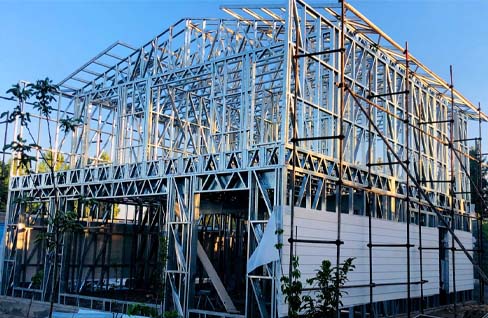
Where conventional framing depletes forest resources, light steel construction repurposes steel waste from households and manufacturing streams
By repurposing scrap steel, the industry reduces extraction of raw iron ore, thereby protecting forests and maintaining the integrity of native ecosystems
Steel production in general is energy intensive, and the melting and forming of steel requires significant amounts of electricity
In recent years, advancements have significantly improved the energy efficiency of light steel production
A growing number of plants operate electric arc furnaces fueled by wind, solar, or hydroelectric power, while precision rolling and laser-cutting systems cut waste by over 90% versus legacy techniques
This minimizes scrap and landfill contributions
Steel’s resilience offers a major long-term environmental benefit
Steel framing avoids biological degradation and pest infestation, resulting in structures that endure for generations with little need for patching or rebuilding
By enhancing building longevity, steel framing reduces the frequency of demolition and reconstruction, thereby shrinking the sector’s overall material and emissions footprint
Steel retains its structural integrity through infinite recycling cycles, unlike other building materials
This closed loop potential means that steel framing can be reused indefinitely, unlike wood or concrete, which often end up in landfills or require energy heavy processing to be repurposed
The logistical burden of moving bulky steel parts can offset environmental gains if factories are located far from construction sites
To mitigate this, localizing production and خانه پیش ساخته optimizing logistics are essential strategies
Leading firms are increasingly sourcing steel from regional facilities to cut mileage and shrink their environmental impact
When properly implemented, light steel framing delivers a superior environmental profile compared to most traditional construction materials
Continued innovation in energy efficiency, recycling, and supply chain optimization will further reduce its impact and support greener construction practices worldwide