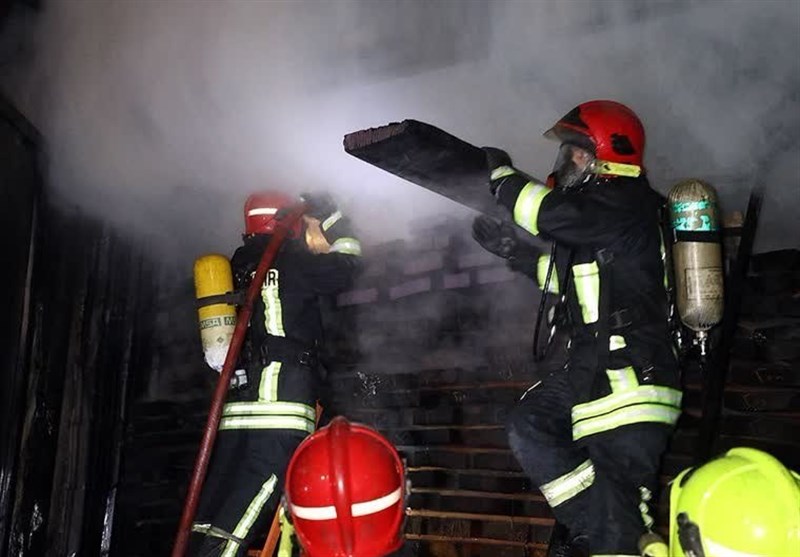
When an emergency strikes, calm and precise dialogue with rescue operators can make the difference between life and death. Whether you are reporting a medical crisis, a structure fire, a road incident, or a unaccounted person, your ability to convey accurate information quickly and efficiently helps emergency responders respond swiftly and accurately. The first step is to keep your cool. Panic can distort your thoughts and slow your speech, making it harder for the operator to understand what is happening. Center yourself, focus on the facts, and enunciate slowly and deliberately.
As soon as you connect with the emergency service, provide your identity and exact position. Share your identity if required, but prioritize giving your exact address or precise landmarks. If you are unsure of the street name, use recognizable landmarks around you. For instance, say “I am at the corner of 5th and Main, across from the red brick library,” rather than just “near the store.” If you are using a mobile phone, remember that automated location data may be imprecise, so verbally verify your position.
Next, describe the nature of the emergency in simple, direct terms. Avoid extraneous information or dramatic phrasing. Instead of saying “It’s awful, I’ve never seen anything like this,” say “A car has crashed into a tree, and the driver is unconscious.” Be clear about observable conditions: the number of individuals affected, the presence of burning or hazardous fumes, if there is visible blood loss, or if an explosion is possible. This allows the operator to alert the necessary responders immediately without delay.
Stay on the line until told to disconnect. The operator may ask follow-up questions, instruct you on preliminary aid, or relay new information to field teams. If you are trained in first aid or CPR, they may walk you through essential steps. Obey their instructions precisely and confirm aloud to verify to ensure understanding.
If others are present, امداد خودرو سیار assign someone to meet the responders at the entrance or a visible location. This helps them reach the site without confusion, especially in complex structures, low-light zones, or busy environments. If children or pets are nearby, mention their location and condition so responders can ensure their safety.
Do not call repeatedly. One call is enough. Multiple calls clog the system and hinder response to other callers. Trust that the operator has shared your report with the dispatch center. If you notice a change in the situation, such as deteriorating medical conditions or additional hazards, remain connected and notify them right away.
Lastly, plan ahead. Know your address, have emergency contacts saved, and compile a medical profile for everyone in your home. Practice what you would say in different scenarios. The more familiar you are with the process, the more calm and efficient you will be when the moment comes.
Effective communication with rescue operators is not about being eloquent—it is about being precise, brief, and steady. Your ability to provide accurate information quickly empowers those who are racing to save lives. In an emergency, each moment is critical, and your words can be the essential lifeline.
It’s awesome in favor of me to have a web page, which is useful in favor of my experience. thanks admin
**mitolyn**
Mitolyn is a carefully developed, plant-based formula created to help support metabolic efficiency and encourage healthy, lasting weight management.