The .Z09 file extension is most often part 9 of a split, multi-volume compressed archive created by ZIP- or RAR-compatible tools. With ZIP-based splitting, .Z09 is just one of several numbered chunks that together make up a single logical archive, coordinated by the main .zip part. Depending on the creator, the extension may thus point to either a ZIP-family split archive or a RAR-family multi-volume set. On its own, .Z09 is not meant to be opened in isolation, since the archive’s directory information and other data blocks live across multiple parts, so proper extraction requires that every segment be available and processed together by a compatible compression tool. For users who are unsure what a particular .Z09 file belongs to, a multi-format utility such as FileViewPro can help by recognizing the extension, determining whether it behaves like a split ZIP or split RAR volume, and—once the full set of segments is accessible—guiding you through browsing and extracting the contents without manual trial-and-error across different programs
A compressed file is digital containers designed to make data smaller, more portable, and easier to manage. At their core, they work by analyzing patterns and redundancy in data and then representing that information in a more efficient way. Because of this, the same drive can hold more information and uploads and downloads finish sooner. One compressed archive might hold just one file, but it can just as easily wrap entire project folders, media libraries, or application setups, all wrapped into one smaller file than the originals. That is why almost every workflow, from simple file sharing to professional data handling, relies on compressed files somewhere along the way.
The history of compressed files is closely tied to the evolution of data compression algorithms and the growth of personal computers. In the 1970s and 1980s, researchers such as Abraham Lempel and Jacob Ziv introduced the foundational LZ77 and LZ78 algorithms, proving that you could spot repetition in a data stream, store it in a shorter form, and still rebuild every bit exactly. Those concepts evolved into well-known algorithms like LZW and DEFLATE that sit behind the scenes of many familiar compressed files. As DOS and early Windows spread, utilities such as PKZIP, created by developers like Phil Katz, made compression part of normal computer use, cementing ZIP as a go-to format for compressing and grouping files. Over time, other developers and companies added new formats that focused on higher compression ratios, stronger encryption, or better error recovery, but the basic idea stayed the same: take one or more files, apply an algorithm, and produce a smaller archive that is easier to move and manage.
On a technical level, compressed files rely on one or more algorithms that are usually described as lossless or lossy. With lossless compression, nothing is permanently thrown away, so it is safe for any information where accuracy matters. Formats such as ZIP, 7z, and many archive-style containers use lossless techniques to ensure that files can be restored exactly as they were. On the other hand, lossy methods trade some detail for dramatic size savings, most commonly in music, film, and visual content. Whether it is a generic archive or a specialized media format, the underlying goal remains to squeeze out wasted space while keeping the content useful. Many compressed archives also combine both the act of shrinking the data and packaging multiple files and folders into one unit, turning compression into a tool for both efficiency and organization.
With the growth of high-speed networks and powerful devices, compressed files have found increasingly sophisticated roles. Software distribution is a prime example, where applications are shipped as compressed packages that download quickly and then unpack into their full structure on the user’s device. Large content libraries are typically stored in compressed archives so that they occupy less disk space and can be patched or replaced without touching the rest of the installation. In system administration and DevOps, compressed archives are indispensable for log rotation, backups, and automated deployment workflows. In the cloud, compression plays a quiet but crucial role in keeping large-scale storage and data transfer efficient enough to be affordable and responsive.
Compressed files are equally valuable when you are preserving information for the long haul or protecting it from prying eyes. Because they reduce volume, compressed archives allow organizations and individuals to keep years of documents, images, and logs in a manageable footprint. A number of archive types support built-in checksums and recovery records that help detect errors and, in some cases, repair damaged data. When privacy is a concern, encrypted compressed archives offer an extra layer of defense on top of size reduction. The result is that a single compressed file can act as both a vault and a space-saver for important content.
From a user’s point of view, compressed archives make many routine tasks smoother and less error-prone. Rather than attaching every file one by one, you can pack them into one archive and send just that, cutting down on clutter and transmission time. Archives preserve directory layouts, which prevents confusion about where each file belongs when someone else opens the package. In many cases, applications and support tools automatically generate compressed files when exporting projects, collecting log bundles, or preparing backups. As a result, knowing how to deal with compressed files is now as fundamental as understanding how to copy and paste or move files between folders.
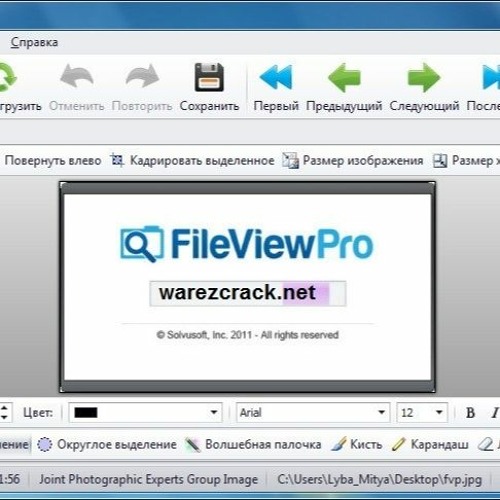
The variety of archive extensions can easily become confusing if you try to match each one with a separate application. If you cherished this post and you would like to receive far more data with regards to Z09 file support kindly pay a visit to the internet site. Instead of guessing which program to use, you can rely on FileViewPro to identify and open the archive for you. Rather than installing multiple separate decompression tools, users can rely on a single solution that lets them quickly see what is inside, extract only what they need, and avoid damaging or misplacing important files. For anyone who regularly downloads software, works with shared projects, or receives large bundles of documents, having a dependable way to open and manage compressed files through FileViewPro turns compression technology into something practical, convenient, and easy to trust.
The role of compressed files is likely to grow even more important as digital content keeps expanding. Newer compression methods are being tuned for today’s needs, from huge scientific datasets to interactive online experiences. At the same time, the everyday purpose of compressed files remains familiar: we still need to move large information through limited connections and keep our devices from filling up too quickly. From personal use to professional environments, compressed archives quietly support tasks that would otherwise be slow, awkward, or expensive. With the help of FileViewPro to open, explore, and extract these archives, users can take full advantage of compression without needing to understand the complex mathematics behind it, turning a powerful technical concept into a simple, everyday tool.
Do you have a spam issue on this site; I also am a blogger, and I was wondering your situation; many of us have created some nice practices and we are looking to swap solutions with others, please shoot me an e-mail if interested.
When I initially commented I clicked the “Notify me when new comments are added” checkbox and now each time a comment is added I get three emails with the same comment. Is there any way you can remove me from that service? Many thanks!
Its not my first time to pay a visit this web page, i am visiting this site dailly and get pleasant information from here every day.
Very soon this website will be famous among all blogging viewers, due to it’s good articles or reviews
Excellent post. I am facing many of these issues as well..
We stumbled over here from a different web address and thought I should check things out. I like what I see so now i am following you. Look forward to looking over your web page again.
Hey! I realize this is kind of off-topic but I needed to ask. Does operating a well-established website such as yours require a large amount of work? I am completely new to operating a blog however I do write in my diary every day. I’d like to start a blog so I can share my own experience and feelings online. Please let me know if you have any kind of ideas or tips for new aspiring blog owners. Thankyou!
You made some good points there. I checked on the net for additional information about the issue and found most individuals will go along with your views on this website.
With havin so much content do you ever run into any issues of plagorism or copyright infringement? My site has a lot of exclusive content I’ve either authored myself or outsourced but it seems a lot of it is popping it up all over the web without my agreement. Do you know any ways to help stop content from being ripped off? I’d really appreciate it.
What’s up everyone, it’s my first pay a visit at this web site, and paragraph is genuinely fruitful for me, keep up posting these content.
Very good article. I’m facing some of these issues as well..
I have read so many posts concerning the blogger lovers except this post is in fact a nice article, keep it up.
It’s going to be ending of mine day, but before end I am reading this enormous piece of writing to increase my experience.
Great post. I was checking continuously this blog and I am impressed! Very useful information specially the last part 🙂 I care for such information much. I was seeking this particular info for a long time. Thank you and good luck.
This is a topic which is near to my heart… Take care! Where are your contact details though?
Hey there are using WordPress for your blog platform? I’m new to the blog world but I’m trying to get started and set up my own. Do you need any html coding knowledge to make your own blog? Any help would be really appreciated!
Excellent way of explaining, and pleasant post to take data on the topic of my presentation subject matter, which i am going to present in academy.
At this time it seems like WordPress is the preferred blogging platform available right now. (from what I’ve read) Is that what you are using on your blog?
Hi, I do believe this is a great site. I stumbledupon it 😉 I may revisit once again since I bookmarked it. Money and freedom is the best way to change, may you be rich and continue to guide other people.